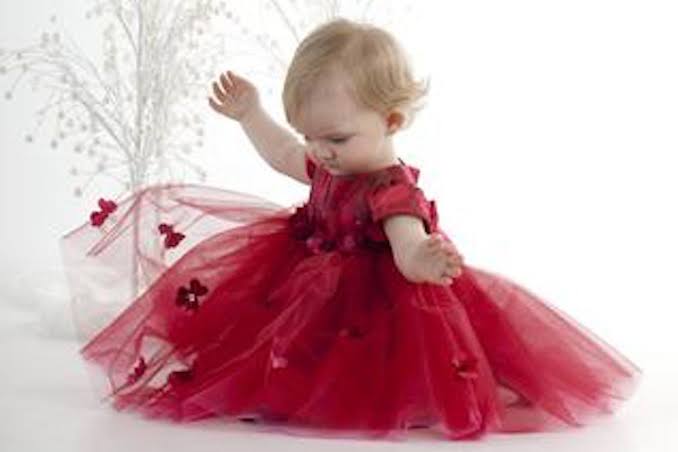
The Dress: A Timeless Symbol of Elegance, Identity, and Expression

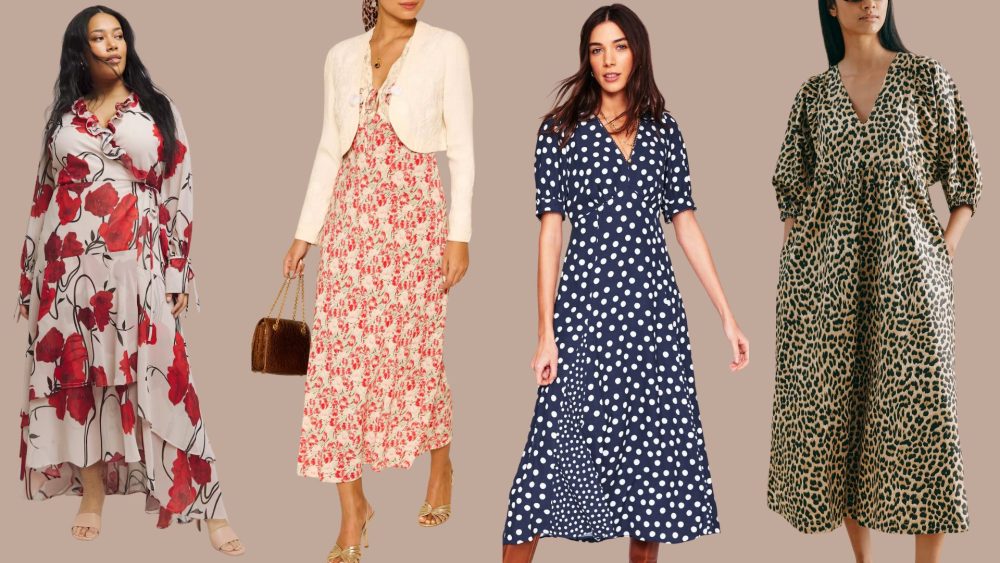
The dress is much more than a mere garment. It is a cultural artifact, a personal statement, and a work of art woven into the fabric of human history. From the delicate hems of haute couture to the simple silhouettes of everyday wear, the dress embodies a unique fusion of function, beauty, and identity. It transcends seasons and trends, shaping—and reflecting—the social, political, and emotional landscapes of its time. To explore the dress is to embark on a journey through history, creativity, and the nuances of human expression.
The Historical Tapestry of the Dress
The history of the dress is a fascinating chronicle of evolution and adaptation. From ancient civilizations to modern runways, dresses have changed dramatically in style, material, and purpose, mirroring shifts in culture and technology.
In ancient times, dresses were often loose and draped garments crafted from natural fibers. The Greeks favored the flowing chiton, while Romans donned the stola, each symbolizing social status and modesty. Moving into the Middle Ages, dresses became more structured and layered, reflecting rigid societal hierarchies and the emphasis on formality.
The Renaissance and subsequent centuries introduced complex tailoring, luxurious fabrics, and embellishments that showcased wealth and artistic innovation. The Victorian era, in particular, is remembered for its voluminous skirts and corsetry, combining romantic ideals with strict social codes.
Through the 20th century, the dress became a canvas for modernity. The liberation movements influenced hemlines and silhouettes—from flapper dresses of the 1920s to the minimalist cuts of the 1960s—each era narrating new stories of freedom and rebellion.
Anatomy of a Dress: Elements of Design and Function
While the dress appears simple at first glance, it is a complex interplay of design elements that come together to create form, function, and aesthetic appeal. Understanding these components reveals why some dresses captivate us more than others.
Key Elements Include:
-
Silhouette: The overall shape of the dress, whether fitted, flowing, A-line, or sheath, defines how it interacts with the wearer’s body and movement.
-
Fabric: From silks and chiffons to cotton and denim, the choice of material influences texture, weight, and drape, as well as the emotional tone of the dress.
-
Color and Pattern: Color can evoke mood, season, or symbolism. Patterns, whether floral, geometric, or abstract, add dimension and narrative.
-
Neckline and Sleeves: These details frame the face and arms, contributing to the dress’s character—be it daring, modest, or playful.
-
Length and Hemline: Mini, midi, or maxi lengths carry different cultural and stylistic connotations, often dictating formality and occasion.
-
Embellishments: Lace, embroidery, sequins, or buttons add texture and storytelling, elevating a simple silhouette into something extraordinary.
The Dress as a Cultural and Personal Symbol
Dresses are rarely neutral objects; they carry meaning far beyond their physical form. Across cultures, the dress can signal rites of passage, social status, political alignment, or even rebellion.
Cultural Significance:
-
Ceremonial Dresses: Wedding gowns, ball gowns, and traditional costumes often embody heritage and ritual. A white wedding dress in Western cultures symbolizes purity and new beginnings, while in other traditions, vibrant reds or intricate beadwork tell different stories.
-
Social Statements: The little black dress, popularized by Coco Chanel, became an emblem of modern elegance and female empowerment. Conversely, punk and grunge-inspired dresses defied convention and authority.
-
Political Expression: Designers and wearers alike have used dresses to make statements. From suffragettes wearing white to protest attire in contemporary movements, the dress becomes a canvas for advocacy.
On a personal level, the dress is a form of self-expression. The way one chooses to wear a dress—its fit, style, and accessories—speaks volumes about personality, mood, and intention. The dress is a garment of identity as much as of fashion.
The Art and Craft of Dressmaking
Creating a dress is an intricate blend of creativity, technical skill, and artistry. The journey from concept to finished garment involves several stages:
-
Design Conceptualization: This begins with inspiration, research, and sketching. Designers consider trends, the target wearer, and cultural influences.
-
Fabric Selection: The tactile qualities and practical considerations of fabric inform the design.
-
Pattern Making: Translating two-dimensional sketches into three-dimensional forms requires precise pattern drafting and adjustments.
-
Cutting and Sewing: Skilled craftsmanship is essential to ensure the dress fits perfectly and maintains structural integrity.
-
Fittings and Refinements: Multiple fittings tailor the dress to the wearer’s body, ensuring comfort and aesthetic harmony.
-
Finishing Touches: Embellishments, lining, and hemming complete the garment.
This process can range from the bespoke world of couture—where every detail is handcrafted—to mass production, where efficiency and standardization are paramount.
The Dress in Contemporary Fashion: Innovation and Sustainability
Today, the dress continues to evolve under the pressures and possibilities of modern life. Technological advancements such as 3D printing and smart textiles are expanding the creative horizons of dressmakers, allowing for garments that respond to environment or body temperature.
At the same time, the fashion industry faces growing scrutiny over its environmental and ethical impact. Designers and consumers alike are seeking sustainable alternatives—organic fabrics, zero-waste patterns, and ethical labor practices—to redefine what it means to wear a dress responsibly.
The democratization of fashion through digital platforms has also transformed the dress’s role. Vintage revival, customization, and slow fashion movements emphasize individuality and longevity over fast trends.
Final Thoughts: The Dress as an Enduring Icon
The dress endures because it is a mirror—reflecting culture, personality, and creativity. It holds a paradoxical power: to conform and to liberate, to hide and to reveal. From the simplest cotton frock to the most extravagant evening gown, the dress invites us to inhabit stories, celebrate moments, and express ourselves with elegance and confidence.
In every stitch lies history; in every silhouette, possibility. The dress is not just clothing—it is an art form, a statement, and ultimately, a timeless companion on the journey of life.