Proposing marriage is one of the most significant milestones in a relationship, and selecting the symbol to represent that commitment is an exciting yet daunting task. With countless gemstone cuts, metal choices, and design settings available today, the process can easily overwhelm anyone stepping into a jewelry store or browsing online catalogs for the first time. Modern engagement ring shopping has evolved far beyond traditional rules and rigid guidelines. Contemporary couples prioritize personal expression, ethical sourcing, and practical wearability over outdated industry standards. Navigating this journey successfully requires a balance of education, introspection, and thoughtful planning to find a ring that captures your unique love story.
Understanding the Four Cs of Diamonds
When evaluating traditional diamonds, gemologists rely on the universally accepted framework known as the Four Cs. Mastering these four pillars of quality helps you determine where to allocate your budget for maximum visual impact.
-
Cut: This refers to how well a diamond’s facets interact with light. A high-quality cut yields exceptional brilliance and sparkle, making it the most critical factor in overall beauty.
-
Color: Diamonds are graded on a scale from D (colorless) to Z (light yellow or brown). Near-colorless grades like G through J offer an excellent balance of visual clarity and financial value.
-
Clarity: This measures internal blemishes and external surface flaws. Stones categorized as Very Slightly Included offer great value because their inclusions are invisible to the naked eye.
-
Carat Weight: Carat measures mass rather than physical size. Two diamonds with the same carat weight can look drastically different depending on their cut proportions and shape depth.
Understanding these criteria empowers you to make an informed choice without overpaying for specifications that do not enhance the stone’s appearance.
Exploring Alternative Gemstones and Lab-Grown Options
While mined diamonds remain a classic choice, modern buyers increasingly embrace alternative options that align with personal values, budget goals, and stylistic preferences.
Lab-grown diamonds have surged in popularity because they possess the exact chemical, physical, and optical properties of mined stones at a fraction of the cost. They provide a sustainable, conflict-free alternative without sacrificing durability or sparkle. Beyond diamonds, many couples choose vibrant colored gemstones such as sapphires, emeralds, morganite, or rubies. Sapphires offer incredible hardness suitable for daily wear and come in a stunning spectrum of colors ranging from deep royal blue to soft peach and pastel pink. Selecting an alternative center stone adds a distinctive, personalized touch to the proposal.
Selecting the Ideal Setting and Metal
The setting holds the center stone securely while defining the overall architectural aesthetic of the ring. Different settings suit different lifestyles and visual tastes.
-
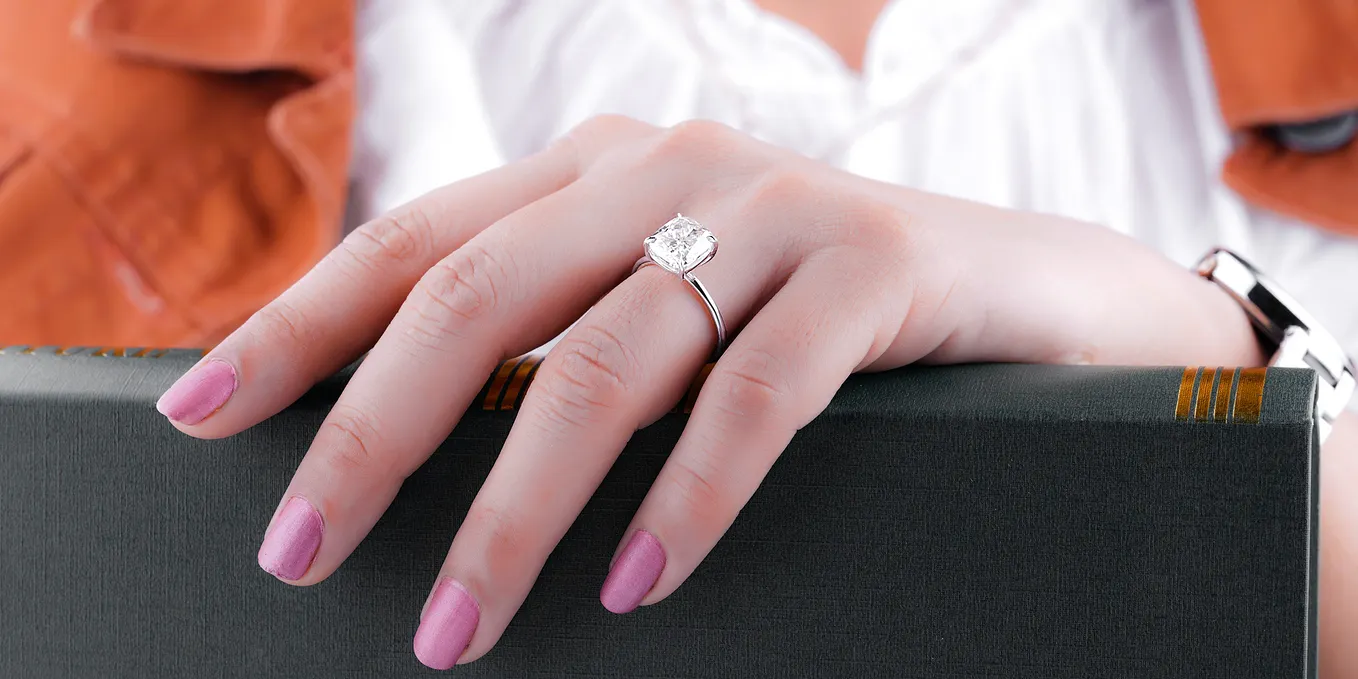
Prong Settings: This classic design uses metal claws to elevate the stone, maximizing light exposure and brilliance.
-
Bezel Settings: A thin metal rim wraps completely around the perimeter of the gemstone, offering ultimate security and a sleek, modern look.
-
Halo Settings: Smaller accent diamonds encircle the center stone, creating the illusion of a larger overall surface area and intensifying the sparkle.
-
Pave Settings: Tiny diamonds are embedded closely along the band, adding continuous texture and shimmer.
When choosing a metal band, consider both durability and skin tone. Platinum offers unmatched strength and hypoallergenic properties, developing a rich patina over time. Gold options include traditional yellow, romantic rose, and crisp white gold, each requiring different levels of long-term maintenance such as periodic rhodium plating for white gold variations.
Decoding Your Partner Personal Style
Choosing a ring without spoiling the surprise requires detective work. Your partner everyday wardrobe, jewelry box, and general lifestyle provide valuable clues about their preferences.
Pay attention to whether they gravitate toward minimalist silver jewelry or bold, statement-making gold pieces. Observe their clothing choices and professional environment. If they work with their hands frequently or lead an active lifestyle, a low-profile bezel setting or a durable flush mounting will prove far more practical than a high-set prong solitaire that catches on clothing. Take note of subtle hints dropped during conversations or look at shared Pinterest boards if they have previously shared design ideas with friends or family.
Balancing Budget and Value
Engagement ring pricing varies dramatically based on material choices, branding, and craftsmanship. Before starting your search, establish a realistic budget that you are comfortable with, ignoring outdated rules that suggest spending a specific number of months salary.
Value is found by prioritizing what matters most to your partner. If they dream of a massive stone, opting for a slightly lower color grade or choosing a lab-grown diamond maximizes size within your financial parameters. Conversely, if craftsmanship and unique antique detailing are paramount, investing in a custom vintage-inspired setting with a smaller center stone delivers greater artistic satisfaction.
Prioritizing Ethical Sourcing and Sustainability
Modern consumers care deeply about the origins of their purchases. Ethical sourcing ensures that the precious metals and gemstones used in your ring were harvested under fair labor conditions with minimal environmental degradation.
Inquire with jewelers about their supply chain transparency. Look for certified conflict-free diamonds, recycled precious metals, and artisan workshops that support sustainable practices. Purchasing from independent designers who maintain direct relationships with ethical mines guarantees peace of mind regarding the journey of your ring.
Frequently Asked Questions
How can I find my partner ring size without spoiling the surprise?
You can discreetly borrow one of their existing rings that fits the correct finger and press it into a bar of soap to create an impression, trace the inner circumference on a piece of paper, or take it to a jeweler for professional measurement. Alternatively, ask a close friend or family member who shares a similar finger size to subtly inquire.
What is the most durable metal for an everyday engagement ring?
Platinum is widely considered the most durable and strong precious metal for daily wear. It does not lose metal when scratched; instead, the metal merely displaces, meaning it retains its structural weight and integrity over decades of continuous use.
Are lab-grown diamonds considered real diamonds?
Yes, lab-grown diamonds are 100 percent real diamonds. They feature the exact same optical, physical, and chemical composition as earth-mined diamonds and can only be distinguished from natural stones using specialized laboratory equipment.
How do I protect and insure an engagement ring?
You should insure your engagement ring immediately after purchase through a specialized jewelry insurance provider or as a rider on your homeowners or renters insurance policy. Insurance typically covers loss, theft, damage, and mysterious disappearance, giving you financial protection and peace of mind.
How often should an engagement ring be professionally inspected and cleaned?
Jewelers recommend bringing your engagement ring in for professional inspection and cleaning every six months. A jeweler will check the prongs under magnification to ensure the center stone and accent diamonds remain secure and tight, preventing accidental loss.
Can an engagement ring be resized later if the fit changes?
Most engagement rings can be resized easily by a professional jeweler, depending on the metal type and band design. However, rings featuring intricate pave stones all the way around the band, tension settings, or certain alternative metals like tungsten or titanium are extremely difficult or impossible to resize, so getting the initial size close is always ideal.