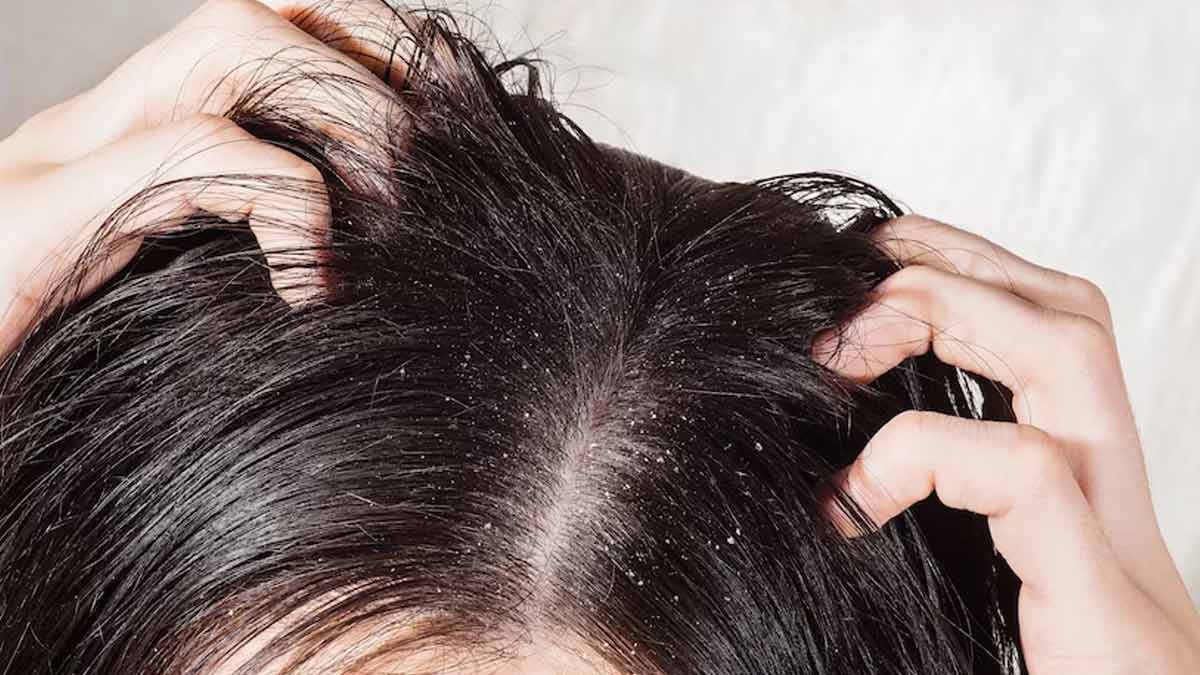
You think dandruff occurs only during winter! Well, think again! Those annoying white flakes are a common visitor during monsoon and can leave you embarrassed (as they fall on your shoulder, hair, and even on eyebrows). But don’t fret! With the right hair care products like anti-dandruff shampoo, a dedicated regimen, and some effective tips, you can get rid of dandruff and maintain healthy and happy hair, even in the most humid season. But before that, let’s dive deep into the details and understand why dandruff occurs in the first place.
What Are the Causes of Dandruff in Monsoon?
Is it normal to have dandruff in monsoon, you ask? Yes, dandruff is common in the monsoon. It’s a scalp condition that is characterized by flaky skin and accompanied by itchiness. In monsoon, you notice dandruff due to a number of the following factors:
- High humidity and overgrowth of Malassezia globosa fungus on the scalp.
- Sweat and oil buildup
- Poor scalp hygiene
- Scalp infections
5 Tips to Tackle Dandruff in Monsoon
Here are some genius tips to keep your scalp and hair flake-free this monsoon:
- Switch to Anti-dandruff Shampoo
Wondering how to combat dandruff during the humid and rainy days of monsoon? Embrace the goodness of dandruff removal products. Use an anti-dandruff shampoo to cleanse and remove dirt, oil, and dandruff. The antibacterial and antifungal active ingredients present in anti-dandruff shampoos gently clarify while soothing the scalp. Apply it 2-3 times a week.
- Exfoliate Your Scalp
Scalp scrubs are miracle workers for a dandruff-prone scalp. As your skin benefits from bi-weekly exfoliation, your scalp demands similar care to maintain cleanliness. Use a scalp scrub to exfoliate your scalp, remove dead skin cells, and product residue. This will also help improve circulation and help other anti-dandruff treatment products penetrate better.
- Avoid Harsh Chemicals and Heavy Styling Products
How to get rid of dandruff in monsoon? Say no to harsh chemicals and heavy styling products. Harsh formulas can strip the natural oil of your scalp, leading to dryness and itchiness. What’s more! Overapplication of styling products like volume mousse or improper removal can cause greasiness, irritation, and worsen the existing dandruff condition. For best results, opt for lightweight and gentle formulas and try to maintain optimal scalp hygiene.
- Keep Your Scalp Clean and Dry
Post washing or drenching in the rain, immediately dry your hair and scalp thoroughly. Leaving your hair wet for long can accelerate fungal growth and dandruff as well. For best results, use a soft microfibre towel or, if needed, use a blow dryer on low temperature occasionally. Avoid wearing tight hats or scarves that can trap moisture and worsen dandruff.
- Eat a Healthy Diet & Manage Stress
Stay hydrated and eat foods that are high in omega-3 fatty acids, zinc, and B vitamins to help nourish your scalp and maintain its overall health. Practice yoga, meditation, and other exercises to manage stress. Wondering why? Stress and dandruff are indirectly related. Chronic stress can impact your immune system. And, the Malassezia fungus, the primary contributor to dandruff, develops when your immune system is affected. Hence, along with using anti-dandruff shampoo and other treatment products, you must practice stress management exercises.
Anti-Dandruff Routine: A Step-by-Step Guide
Here’s a step-by-step guide on how to tackle dandruff-prone scalp in monsoon.
Step 1: Exfoliate
Use a scalp scrub and massage gently to remove flakes.
Step 2: Shampoo
Use an anti-dandruff shampoo 2-3 times a week. You can alternate with a mild shampoo. Rinse.
Step 3: Conditioner
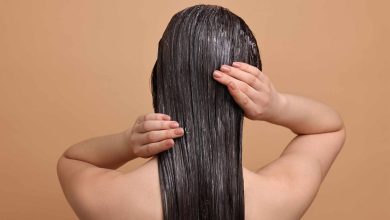
Apply conditioner only to the ends of your hair to avoid weighing down your scalp.
Step 4: Towel Dry Your Hair
Ensure your scalp is completely dry to avoid fungal growth.
Understanding the causes of dandruff and following a dedicated regimen with the best anti-dandruff shampoo and other products can help reset and revitalize your scalp. So, go ahead and stay flake-free this monsoon.
L’Oréal Professionnel stores best-in-class products to control dandruff and other prominent hair woes. For further assistance, pay a visit to the nearest partner salon and let the pros suggest the best solution for your specific hair or scalp concern.
Frequently Asked Questions on How to Tackle Dandruff in Monsoon
- Does rain increase dandruff?
Yes, rain and high humidity in monsoon can increase dandruff. The high moisture content in the air gets trapped in your scalp, resulting in a breeding ground for dandruff-causing fungus (Malassezia globosa).
- How to remove dandruff quickly?
You can remove dandruff quickly by exfoliating with a scalp scrub and using anti-dandruff shampoo.
- Does tea tree oil affect dandruff?
Yes! Tea tree oil has strong antifungal and antibacterial properties that can fight the Malassezia globosa fungus responsible for dandruff. You can use tea tree oil-infused scalp scrub or use it with other carrier oils like coconut oil, and massage it on your scalp before cleansing with shampoo.