The Art and Essence of Makeup: Beyond Beauty to Self-Expression

Makeup has long transcended its traditional role as a mere enhancer of physical appearance. Today, it is a sophisticated form of artistry, an empowering ritual, and a vibrant medium for personal expression. From its ancient origins to its place in contemporary culture, makeup tells stories about identity, creativity, and even societal norms. It is both a mask and a mirror—revealing how we see ourselves and wish to be seen by the world. To explore makeup is to uncover a fascinating intersection of history, science, and artistry that continues to evolve with nuance and depth.
The Historical Journey of Makeup: From Antiquity to Modernity
Makeup’s roots stretch back thousands of years. Ancient Egyptians famously used kohl to accentuate their eyes, believing it provided spiritual protection as well as beauty. Similarly, in ancient China and Japan, subtle pigments were used to denote social status and elegance. Throughout history, makeup’s meaning has been shaped by cultural, political, and aesthetic forces.
In the Western world, the Victorian era initially frowned upon visible cosmetics, associating them with moral laxity. Yet, by the early 20th century, pioneers like Elizabeth Arden and Max Factor revolutionized makeup, making it accessible and socially acceptable. The rise of cinema further propelled makeup’s importance, turning it into a tool for storytelling and fantasy.
Today, makeup is an industry worth billions, continuously innovating with products that cater to diverse skin tones, textures, and preferences. It serves as a bridge between tradition and cutting-edge technology.
Makeup as an Art Form: Tools, Techniques, and Creativity
At its essence, makeup is artistry applied to a living canvas. The face offers a three-dimensional landscape where light, shadow, color, and texture interplay. Mastery involves both technical skill and creative intuition.
Key Components of Makeup Artistry Include:
-
Foundation and Base: Creating an even canvas by balancing skin tone, texture, and luminosity.
-
Contouring and Highlighting: Sculpting the face through strategic use of light and shadow to enhance natural features.
-
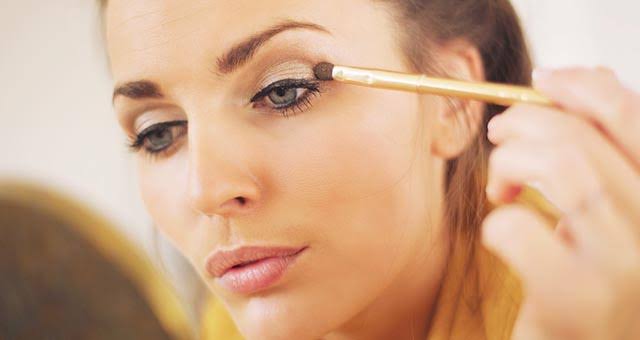
Eye Makeup: Perhaps the most expressive area—eyeshadows, liners, and mascaras define emotion and focus.
-
Lip Color: From subtle nudes to bold reds, lips articulate mood and style.
-
Blush and Bronzer: Adding warmth and dimension to cheeks, lending vitality.
-
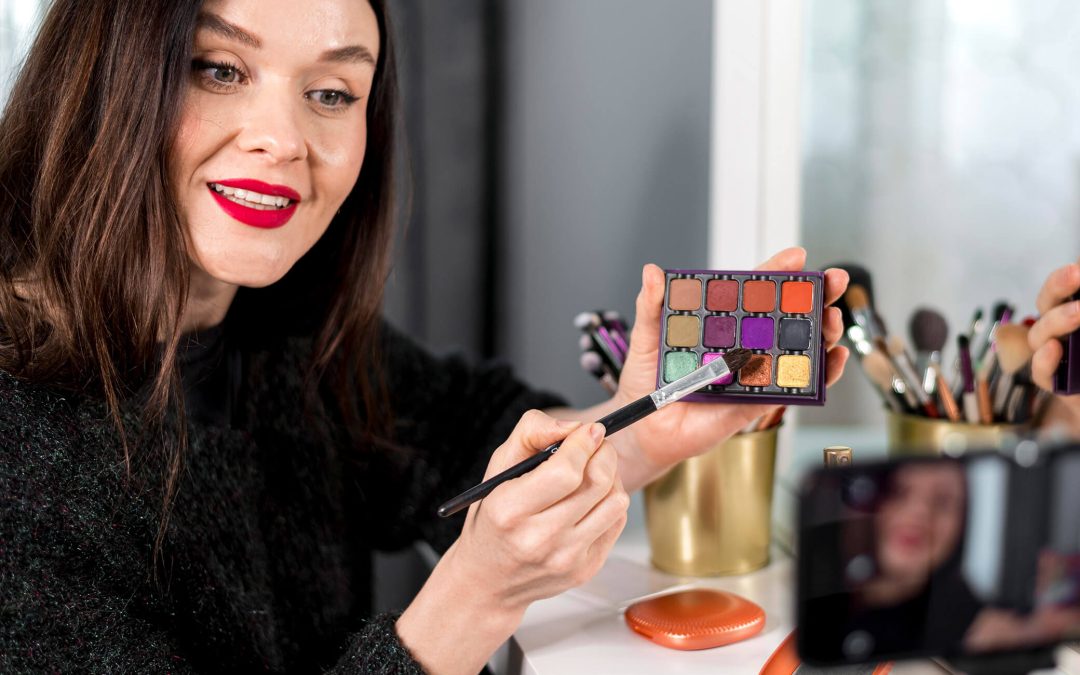
Tools and Brushes: The choice of applicators—from sponges to fine brushes—greatly influences precision and finish.
Each application involves thoughtful consideration of the occasion, lighting, outfit, and individual personality. It is a ritual of transformation that balances technique and personal flair.
Makeup and Identity: Empowerment, Confidence, and Expression
Beyond aesthetics, makeup carries profound psychological and social implications. For many, it is a source of empowerment—allowing individuals to present their best selves or experiment with identity in a safe space.
-
Confidence Booster: Applying makeup can be a form of self-care, helping people feel more prepared and assured in daily life.
-
Creative Outlet: Makeup invites exploration of color, form, and style, transforming routine into playful artistry.
-
Cultural and Gender Expression: Makeup challenges traditional norms; it is embraced by all genders and communities as a way to express uniqueness.
-
Storytelling: Whether for a special event or personal narrative, makeup helps articulate moods and stories without words.
Moreover, the act of applying makeup can be meditative—offering moments of mindfulness and connection to self.
The Science Behind Makeup: Innovation and Skin Health
Modern makeup is a blend of beauty and science. Formulations have become increasingly sophisticated, combining pigments with skincare benefits.
Innovations Include:
-
Long-lasting and Waterproof Formulas: Designed to endure diverse conditions without compromising comfort.
-
Non-comedogenic and Hypoallergenic Products: Minimizing skin irritation and breakouts.
-
Inclusion of SPF: Protecting skin from sun damage within cosmetic products.
-
Natural and Organic Ingredients: Catering to consumers seeking eco-conscious and skin-friendly options.
-
Technological Advances: Customizable foundations, light-reflecting powders, and airbrush systems demonstrate how technology enhances precision and finish.
Understanding skin type and health remains paramount. Proper cleansing, moisturizing, and removal routines ensure makeup enhances rather than harms the skin.
Trends and Cultural Impact: Makeup in the Digital Age
Makeup’s role in culture is more dynamic than ever, influenced by social media, celebrity endorsements, and global connectivity. Platforms like Instagram and TikTok have transformed makeup into a viral art form, popularizing new techniques, challenges, and brands at lightning speed.
Trends such as “no-makeup makeup” celebrate natural beauty, while bold graphic liners and vivid colors push boundaries. Diversity and inclusivity have become central themes, encouraging brands to expand shade ranges and celebrate all skin types.
This democratization has empowered a new generation of makeup artists and enthusiasts, breaking down barriers between professionals and amateurs and making self-expression accessible worldwide.
Sustainable and Ethical Makeup: A Growing Movement
With increasing awareness about environmental and ethical issues, many consumers now demand transparency and responsibility from beauty brands.
-
Cruelty-Free and Vegan Products: Avoiding animal testing and animal-derived ingredients.
-
Sustainable Packaging: Reducing plastic waste through recyclable or biodegradable materials.
-
Fair Trade and Ethical Sourcing: Supporting communities involved in ingredient production.
-
Minimalist and Multi-use Products: Encouraging conscious consumption and reducing excess.
This movement reflects a deeper understanding that beauty should not come at the cost of the planet or ethical standards.
Conclusion: Makeup as a Timeless Dialogue of Art, Identity, and Innovation
Makeup is much more than pigments on skin—it is a dialogue between tradition and innovation, self-perception and social interaction. It honors individuality while inviting creativity, merging science with art in an ongoing evolution.
Whether worn as a subtle enhancement or a dramatic statement, makeup holds the power to transform not just appearances, but how one experiences and navigates the world. It is a timeless ritual that celebrates the endless complexity of human identity and beauty, inviting all to participate in its rich and colorful story.