Introduction: More Than Fabric and Thread
Throughout history, the dress has been more than just a garment. It has served as a mirror reflecting society’s shifting values, a canvas for artistic expression, and an intimate extension of personal identity. Whether flowing or structured, minimalist or opulent, the dress holds a unique place in the evolution of style, bridging the gap between cultural heritage and contemporary fashion. Today, even as trends come and go, the allure of the dress remains as timeless as ever.
A Brief Journey Through Time
The history of the dress is a fascinating journey across centuries and continents. From the flowing tunics of ancient Greece to the elaborate gowns of the Victorian era, each era’s signature silhouette reveals something about the ideals and constraints of its time. For instance, the cinched waists and voluminous skirts of the 19th century spoke to notions of femininity and decorum, while the flapper dresses of the roaring twenties signalled rebellion and liberation. The dress, in essence, chronicles social evolution as much as it does fashion trends.
The Dress as an Expression of Identity
Few garments offer as much potential for personal expression as the dress. It can be a whisper or a statement, a nod to tradition or a leap into the avant-garde. A single dress can communicate mood, status, or cultural ties, often without a word being spoken.
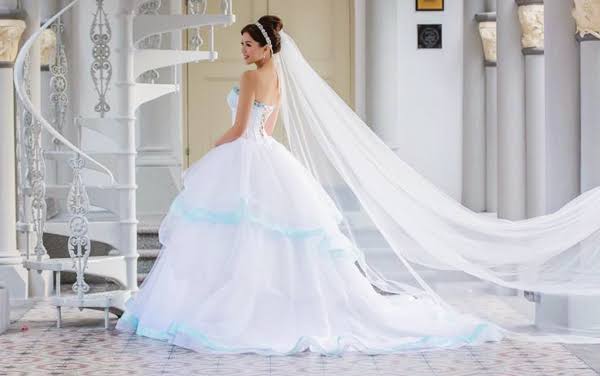
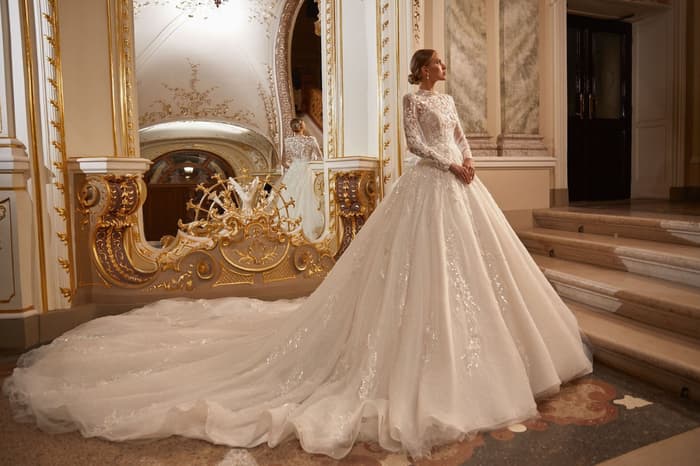
Consider the wedding dress—arguably one of the most symbolic garments in Western culture. For centuries, brides have chosen white gowns to signify purity and new beginnings, a tradition popularised by Queen Victoria. Yet around the world, bridal dresses take countless forms: vibrant reds in China and India, richly embroidered kimonos in Japan, or the delicate lace mantillas of Spain. Each version reflects local customs, spiritual beliefs, and family heritage.
Modern Takes: Versatility at its Finest
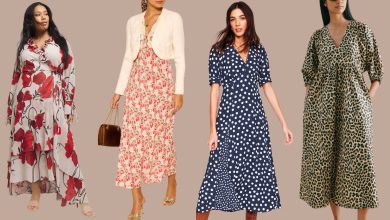
In the modern wardrobe, the dress has evolved far beyond its ceremonial roots. Today, versatility defines the dress’s enduring appeal. From the crisp shift dress that powers a corporate boardroom to the flowing maxi dress that graces a beach at sunset, there is a silhouette for every setting and season.
Designers continually reinvent the dress, bending fabric to their will in ways that surprise and delight. Some of the most iconic variations include
-
The Little Black Dress: Coco Chanel’s revolutionary 1920s creation remains a staple, embodying understated elegance that never dates
-
The Wrap Dress: Popularised by Diane von Fürstenberg in the 1970s, it flatters diverse body types while championing practicality and feminine ease
-
The Slip Dress: Once relegated to lingerie, it now strides confidently into public life, balancing delicacy with bold sensuality
-
The Sundress: Light, airy, and evocative of carefree days, the sundress captures the spirit of leisure and youth
Each of these has secured a place in fashion’s collective imagination, proving the dress’s uncanny ability to adapt and reinvent itself.
Craftsmanship: The Hidden Beauty
Behind every exquisite dress lies the often-overlooked art of craftsmanship. The cut of a pattern, the fall of a hemline, the subtle dart that shapes the waist—these details distinguish a well-made dress from a forgettable one. Haute couture elevates this to an art form, where skilled artisans spend countless hours hand-stitching embroidery, layering delicate fabrics, and ensuring that every seam is perfect.
For designers and wearers alike, a dress can become a form of wearable architecture—sculptural, dynamic, and deeply personal. In this sense, a truly remarkable dress becomes a conversation between designer, fabric, and the body it adorns.
The Dress and Sustainability: A New Direction
As consumers grow more conscious of fashion’s impact on the planet, the way we approach dresses is changing. Increasingly, buyers are turning towards sustainable brands that champion ethical practices, organic fabrics, and timeless designs meant to be worn again and again.
Vintage dresses have also seen a resurgence, breathing new life into forgotten treasures. Choosing vintage is not only an act of sustainability but a way to connect with the stories of previous eras—each piece carries whispers of its past owner’s celebrations, adventures, or daily life.
Cultural Significance: A Global Perspective
Beyond the runways of Paris and Milan, dresses play vital roles in cultural ceremonies worldwide. In West Africa, for example, brightly coloured Ankara and Kente dresses celebrate heritage and family pride. In the Middle East, flowing abayas and kaftans blend modesty with stunning embroidery and beadwork. In Mexico, the traditional embroidered huipil and the folkloric Tehuana dress keep Indigenous artistry alive.
These cultural garments remind us that a dress can be both deeply personal and profoundly communal—binding generations together through shared symbols and craftsmanship.
How to Choose the Perfect Dress
Selecting a dress should feel like an intimate ritual rather than a rushed errand. A few guiding thoughts can help
-
Know Your Silhouette: Understanding your body’s unique proportions makes choosing flattering shapes effortless
-
Prioritise Fabric: Quality materials not only last longer but drape and move beautifully
-
Consider Versatility: A dress that transitions from day to night or work to weekend is a worthy investment
-
Seek a Story: Whether through unique design, artisan craftsmanship, or vintage origins, a dress with a story always feels more special
Conclusion: The Dress Will Always Endure
At its heart, the dress remains an extraordinary piece of clothing—simple yet transformative. It can make a woman feel powerful or playful, nostalgic or new. It can be an heirloom passed down through generations or an impulsive purchase that becomes a favourite. Its power lies not merely in fabric and fit but in the confidence and self-expression it inspires. As trends shift and new materials emerge, the dress will continue to evolve, always reminding us that what we wear can reflect who we are, where we come from, and the stories we hope to tell.