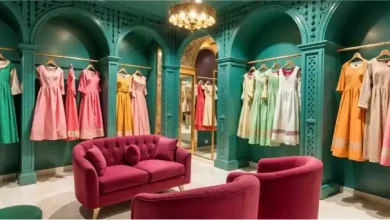
When you walk into a shopping mall, you are greeted by massive retail giants whose window displays feature the latest trends at seemingly unbeatable prices. It is easy to see the appeal of fast fashion. The tags display low numbers, the styles change weekly, and the sheer volume of choices is overwhelming. However, a closer look at the true cost of your wardrobe reveals a different story. The modern consumer is increasingly shifting away from mass-produced apparel and turning toward local boutiques and independent designers. When you evaluate durability, craftsmanship, ethical practices, and true cost-per-wear, boutique clothing consistently offers far superior value compared to retail giants.
The Illusion of Savings at Retail Giants
Fast fashion business models rely on cheap labor, synthetic materials, and rapid turnover. Retail giants mass-produce millions of identical garments in overseas factories where environmental and labor regulations are often lax. This low barrier to production allows them to sell shirts for ten dollars and dresses for twenty.
However, these low upfront prices are an illusion. Fast fashion garments are intentionally designed with a short lifespan. After just a few trips through the washing machine, synthetic fabrics pill, seams begin to unravel, and colors fade. When a cheap shirt falls apart after three months, you have to buy a replacement. Over the course of a year, replacing poorly made clothes costs significantly more than investing in a few durable pieces from a boutique.
Superior Craftsmanship and Durability
Independent boutiques do not have the luxury of mass production; their reputation relies entirely on the quality of their merchandise. Boutique owners and independent designers typically source garments made by skilled artisans who prioritize construction integrity over speed.
-
Reinforced Seams: Boutique clothing features tight, even stitching and finished seams that prevent fraying.
-
Higher Quality Threads: Stronger threads are used to withstand regular wear and tension without snapping.
-
Better Hardware: Zippers, buttons, and clasps on boutique pieces are securely attached and made from durable metals rather than fragile plastics.
This meticulous attention to detail ensures that a dress or jacket purchased from a boutique will remain a staple in your wardrobe for years, if not decades.
Fabric Integrity: Natural Versus Synthetic
One of the most noticeable differences between retail giant clothing and boutique apparel is the fabric composition. Fast fashion relies heavily on petroleum-based synthetic fibers like polyester, nylon, acrylic, and rayon. These materials are inexpensive to manufacture, but they trap heat, retain body odors, and contribute to microplastic pollution every time they are washed.
Boutiques prioritize high-grade natural fibers and premium blends. You are much more likely to find garments crafted from organic cotton, linen, silk, merino wool, and high-quality cashmere. These fabrics offer distinct functional advantages:
-
Breathability: Natural fibers allow air to circulate freely, keeping your body temperature regulated in both warm and cold weather.
-
Skin Health: People with sensitive skin or dermatological conditions often experience irritation from synthetic chemicals, whereas natural fibers are gentle and hypoallergenic.
-
Longevity: Natural fibers maintain their structural integrity and aesthetic appeal much longer than synthetics, aging gracefully rather than degrading into unwearable rags.
Uniqueness and Personal Expression
Shopping at retail giants means dressing like thousands of other people. Mass-produced clothing strips away individuality, turning consumers into walking advertisements for corporate trends. When you wear a mass-market shirt, you are likely to run into someone wearing the exact same item at the grocery store or office.
Boutiques operate on a completely different model. They order inventory in extremely limited quantities. This scarcity ensures that your wardrobe remains distinctive and personal. Independent boutiques curate collections with a distinct point of view, often collaborating with local designers or small-scale international artisans. Wearing boutique clothing allows you to express your authentic personal style rather than conforming to a homogenized corporate algorithm.
The True Meaning of Cost-Per-Wear
Smart shopping is not about how little you spend at the cash register; it is about the value you extract from each garment over its lifetime. Economists and fashion stylists use the concept of cost-per-wear to determine the true value of an item.
Consider a fifty-dollar blouse from a boutique that you wear twice a week for three years. That garment yields roughly three hundred wears, bringing the cost down to about seventeen cents per wear. Conversely, a fifteen-dollar shirt from a retail giant that shrinks or loses its shape after three washes gives you only three wears, resulting in a cost of five dollars per wear. When evaluated through this lens, boutique clothing is vastly more economical.
Ethical Production and Sustainability
Beyond personal financial value, buying from boutiques supports a healthier global ecosystem and fair labor standards. Retail giants externalize their costs onto the environment and vulnerable factory workers. Cheap clothing is a major driver of global landfill waste, as millions of tons of discarded textiles are dumped annually.
Boutiques often embrace slow fashion principles. They partner with ethical suppliers who pay living wages, provide safe working conditions, and use eco-friendly dyes and sustainable sourcing methods. By purchasing from boutiques, you are casting a vote for a transparent supply chain that respects human dignity and protects the planet.
Exceptional Customer Service and Curated Shopping
The shopping experience itself contributes significantly to the overall value of a purchase. Walking into a massive retail store often means navigating endless aisles of clutter, dealing with long checkout lines, and receiving zero assistance from overworked floor staff.
Boutiques offer an intimate, personalized shopping environment. Store owners and stylists know their inventory inside and out. They provide honest feedback, help you find the exact fit for your body type, and offer tailored styling advice. This level of customer care transforms shopping from a stressful chore into an enjoyable, rewarding experience.
Frequently Asked Questions
Why is boutique clothing generally more expensive upfront?
Boutique clothing costs more initially because it is produced in smaller batches using high-quality natural fabrics, superior construction techniques, and ethical labor practices. Unlike mass-market brands that cut corners to maximize profit margins, independent designers invest in materials that ensure longevity.
How can I find reputable local boutiques that offer genuine quality?
Look for independent shops that highlight their designers, provide detailed information about fabric compositions, and focus on curation rather than volume. Reading local reviews and visiting artisan markets or independent shopping districts are also great ways to discover authentic boutiques.
Does boutique clothing require special care when washing?
Because boutiques utilize higher percentages of natural fibers like silk, wool, and linen, their garments often benefit from gentle care routines such as hand washing, air drying, or professional dry cleaning. While this requires slightly more attention than tossing everything into a high-heat machine, it preserves the fabric and extends the life of the garment significantly.
Are boutique clothes size-inclusive?
Many modern boutiques curate collections from independent designers who offer a wide range of sizing options. Furthermore, because boutique owners often have direct relationships with their suppliers, they are frequently more receptive to customer feedback regarding fit and size variety compared to rigid corporate retailers.
How do I know if a boutique item is actually high quality before buying?
Examine the fabric by feeling its weight and texture. Check the inside of the garment to ensure seams are clean and finished with bound edges or serging. Tug gently on the buttons and stretch the seams to test the strength of the threading and construction.
Can shopping at boutiques help me build a capsule wardrobe?
Boutiques are ideal for building a capsule wardrobe because their pieces focus on classic cuts, versatile styling, and enduring quality rather than fleeting micro-trends. Investing in a few well-made staple items from a boutique creates a cohesive closet that is easy to mix and match.