

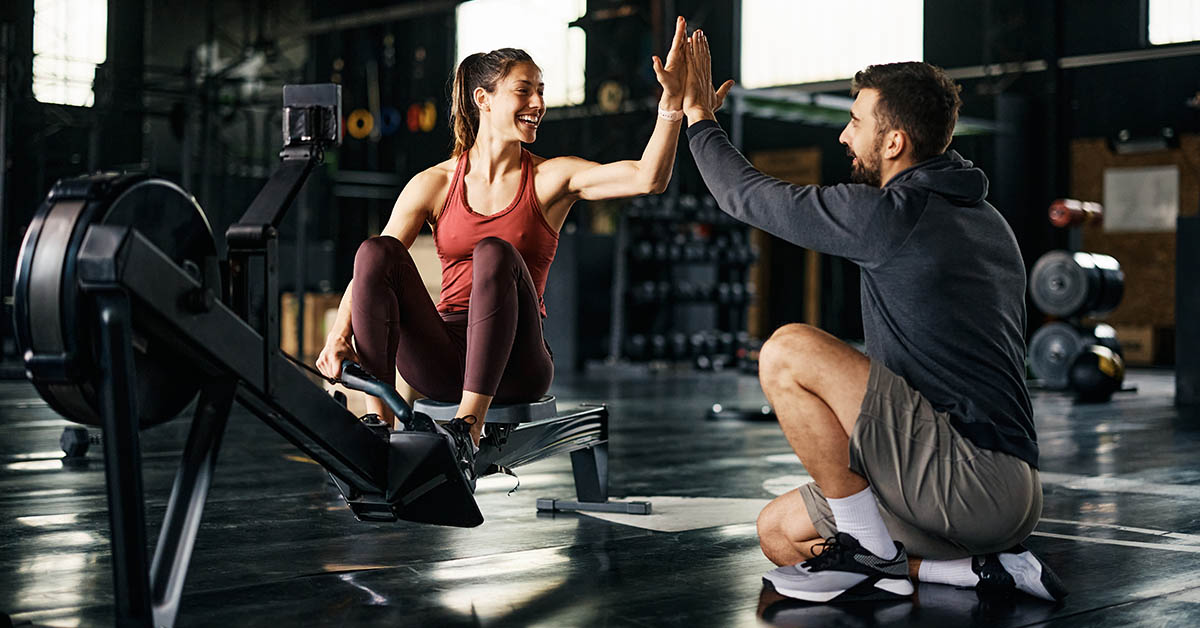
Activewear has moved beyond simple workout clothing. For many people, it now represents lifestyle, confidence and performance. But the most valuable activewear is not only stylish. It supports movement, comfort, safety and consistency. What a person wears during training can influence how freely they move, how confident they feel and how focused they remain during a session.
For people following a structured personal training singapore programme, functional activewear can make workouts feel more comfortable and practical. The right clothing does not create results by itself, but it helps remove distractions so the person can train with better focus.
Activewear should support movement first
Training involves bending, lifting, stretching, pushing, pulling and moving in different directions. Clothing that restricts movement can make exercises uncomfortable or affect form. Functional activewear should allow the body to move naturally.
For strength training, clothes should not get in the way of squats, lunges, presses or floor work. For cardio, fabric should feel breathable and light. For mobility sessions, stretch and flexibility matter.
Fashion may influence the look, but function should guide the choice. If clothing looks good but limits training quality, it is not serving the workout.
Comfort affects consistency
People are more likely to train when they feel comfortable. In Singapore’s humid climate, breathable fabrics and moisture control can make a big difference. Heavy, poorly ventilated clothing can make workouts feel hotter and more distracting.
Comfort also includes fit. Clothes should stay in place during movement without constant adjustment. A top that rides up or leggings that slip can interrupt focus. Shoes should suit the activity and provide proper support.
When activewear feels comfortable, training becomes easier to repeat. Small comfort factors can influence long term consistency.
Confidence matters in the gym
Many people feel self-conscious when training, especially in a gym environment. Wearing activewear that feels supportive and appropriate can improve confidence.
Confidence does not mean dressing for attention. It means feeling comfortable enough to focus on the workout rather than worrying about appearance or clothing issues.
For someone working with a personal trainer, confidence can affect effort. When the client feels physically and mentally comfortable, they may be more willing to try new exercises, use equipment and move with better focus.
Different workouts need different clothing choices
Not every workout requires the same outfit. Strength training may benefit from stable shoes and fitted clothing that allows the trainer to observe movement. High intensity sessions may need breathable fabrics and secure fits. Yoga or mobility work may require stretchable clothing that supports deeper movement.
Personal training often includes different types of exercise, so activewear should be versatile. A client may move from resistance training to cardio to stretching in one session.
Choosing clothing based on workout type helps improve comfort and performance.
Footwear is part of training safety
Shoes are often the most important part of activewear. The wrong footwear can affect balance, posture and movement. Running shoes may be comfortable for cardio but may not be ideal for heavy strength training because they can feel unstable. Flat, stable shoes may work better for lifting.
A trainer may notice how footwear affects movement. For example, unstable shoes may change squat form or balance during lunges.
Good footwear supports the training goal. It should be chosen for function, not only appearance.
Activewear can support body awareness
Clothing can affect how well a person senses movement. Overly loose clothing may make it harder to see alignment during exercises. Extremely tight or uncomfortable clothing may distract the client.
Functional activewear can help both the client and trainer observe posture, knee position, shoulder movement and exercise control. This is especially useful during personal training where technique correction matters.
In a professional fitness setting such as True Fitness Singapore, wearing practical training attire can help clients feel prepared and focused for guided workouts.
Style and performance can work together
Fashion and function do not need to compete. Modern activewear can be stylish while still supporting performance. The key is to choose pieces that fit well, breathe well and move well.
For many people, activewear also helps with mindset. Changing into training clothes can signal that it is time to focus on fitness. This small ritual can support consistency.
However, the goal should not be to buy more than needed. A few reliable, high quality pieces can be more useful than a wardrobe full of uncomfortable items.
Activewear should fit real lifestyle needs
Many adults go from work to gym or gym to errands. Activewear that fits daily lifestyle can make training more convenient. Easy layering, practical bags, comfortable shoes and quick drying fabrics can all support routine building.
If getting ready for the gym feels complicated, people may skip sessions. Functional activewear simplifies the process.
For personal training clients with busy schedules, convenience matters. The easier it is to prepare, the more likely they are to attend consistently.
FAQ
I go to personal training after office hours. What should I pack so I do not skip sessions?
Pack breathable training clothes, suitable shoes, socks, a towel, water bottle and a change of clothes. Keep the bag ready in advance so training does not depend on last minute preparation.
Does my trainer need to see my body alignment clearly during workouts?
Yes, to some extent. Clothing that allows movement and does not hide posture completely can help your trainer observe form, knee tracking, back position and shoulder alignment.
Are expensive activewear brands necessary for better performance?
No. Fit, comfort, breathability and movement support matter more than brand name. A practical outfit that helps you train well is better than expensive clothing that feels restrictive.
Can the wrong shoes affect strength training?
Yes. Shoes that are too soft or unstable can affect balance during squats, lunges or lifting. Choose footwear based on the type of training you do most often.
Conclusion
Functional activewear supports confidence, comfort and training performance by helping people move freely and focus better. It is not a replacement for effort, but it can improve the training experience.
For people involved in personal training, the right clothing and footwear can support technique, confidence and consistency. When activewear is chosen with function in mind, it becomes a practical part of a healthier lifestyle.


