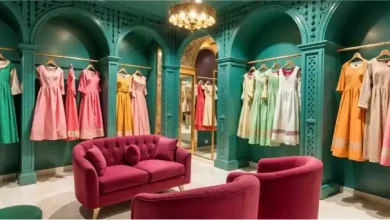
The digital marketplace has undergone a massive transformation over the past decade. What once began as simple digital storefronts replicating physical catalog pages has now grown into highly sophisticated, immersive shopping destinations. Independent digital boutiques no longer just compete on unique style selections; they leverage advanced technology, community building, and shifting consumer values to carve out space in a crowded retail ecosystem. Surviving and thriving in this landscape requires business owners to adapt to new methods of connecting with shoppers. Understanding the current trajectory of digital retail reveals how independent web stores are redefining the future of commerce.
Hyper-Personalization Through Intelligent Commerce
Generic homepages and one-size-fits-all product recommendations are rapidly becoming obsolete. Today’s digital shoppers expect websites to understand their unique aesthetic, sizing preferences, and past browsing behavior the moment they land on a page. Online boutiques are utilizing machine learning tools to deliver tailored experiences that feel like working with a private personal stylist.
-
Dynamic Visuals: Websites now feature adaptive layouts that display color palettes and silhouettes matching a user’s historical preferences.
-
Predictive Recommendations: Algorithms analyze micro-interactions to suggest complementary accessories or upcoming drops before the customer even searches for them.
-
Tailored Content: Landing pages shift content based on geographic location, weather patterns, and individual style identity.
This level of customization eliminates decision fatigue, boosts conversion rates, and builds immediate rapport between the buyer and the brand.
Social Commerce and Immersive Video Discovery
Product discovery has shifted away from traditional search engines and moved directly inside social media applications. Platforms like TikTok, Instagram, and specialized live shopping apps have transformed passive scrolling into an active, frictionless purchasing journey. Independent boutiques are capitalising on this shift by turning social channels into their primary storefronts.
Short-form video content, behind-the-scenes production clips, and unboxing videos establish instant trust. Shoppers want to see how a garment moves, how the fabric drapes, and how different body types style the piece before buying. Livestream shopping events have also matured from experimental marketing stunts into disciplined sales channels. Boutique owners use live broadcasts to host virtual trunk shows, auction rare inventory items, and interact directly with their buyer community in real time.
Advanced Sizing Solutions and Virtual Try-Ons
One of the largest hurdles for digital apparel shopping has always been the uncertainty of fit. High return rates squeeze profit margins for independent sellers while frustrating consumers who deal with cumbersome exchange processes. To solve this dilemma, progressive online boutiques are integrating sophisticated sizing tools and augmented reality features.
-
Detailed Measurement Guides: Moving beyond generic charts, stores provide granular garment dimensions and fit notes from real models.
-
Virtual Fitting Rooms: Interactive software allows users to input their measurements or use device cameras to visualize how a silhouette will look on their specific body type.
-
Fit Feedback Loops: Automated systems aggregate customer review data regarding whether an item runs small, large, or true to size, guiding new buyers toward the correct choice.
Minimizing sizing errors protects business revenue and creates a stress-free purchasing environment that encourages customer loyalty.
Radical Transparency and Traceability
Modern consumers care deeply about the origins of their clothing. They want to know who made their garments, under what conditions, and what environmental impact the production cycle generated. Online boutiques are responding to this demand by abandoning opaque supply chains and embracing radical transparency.
Emerging standards like Digital Product Passports allow shoppers to scan a code and view the entire lifecycle of a garment. This includes details about raw material sourcing, factory labor standards, carbon footprint calculations, and instructions for recycling or repairing the item later. Boutiques that champion this level of openness attract conscious shoppers who are willing to support ethical brands over faceless mass-market corporations.
Sustainable Business Models and Circular Fashion
The rise of conscious consumption has pushed sustainable practices from a marketing perk to a core operational requirement. Independent boutiques are leading the charge by integrating circular economy principles directly into their digital business models.
Instead of contributing to the massive waste footprint of traditional retail, forward-thinking boutiques incorporate pre-owned sections, upcycled capsule collections, and take-back programs. Consumers can return worn items to receive store credit, ensuring that garments stay out of landfills and materials find a second life. This shift reflects a broader cultural rejection of disposable fashion in favor of durable, thoughtfully crafted wardrobe investments.
Flexible Payment Ecosystems and Frictionless Checkout
Cart abandonment often occurs when a digital store limits payment options or forces users through a complicated checkout sequence. To capture every potential sale, modern online boutiques have expanded their payment infrastructure far beyond standard credit cards.
Integrating mobile wallets, cryptocurrency options, and buy-now-pay-later services allows customers to complete transactions seamlessly on any device. Furthermore, one-click checkout features ensure that returning shoppers can secure limited-batch boutique drops instantly without missing out due to slow form-filling processes.
Frequently Asked Questions
How do online boutiques compete with fast fashion pricing?
Boutiques do not compete on cheap pricing; instead, they compete on value, uniqueness, and longevity. By focusing on superior fabric quality, limited-batch production, and timeless design, they offer garments that outlast disposable fast fashion items, resulting in a lower cost-per-wear over time.
Why is social commerce becoming so important for digital boutiques?
Social commerce integrates the discovery and purchasing phases into a single platform. Shoppers discover items naturally through video content and creator partnerships, allowing them to buy instantly within the app without navigating away to a separate website.
How are smaller boutiques managing the high cost of returns?
Independent retailers are investing heavily in accurate sizing technology, detailed garment measurements, high-definition video previews, and customer review data analytics. These tools reduce sizing guesswork and keep return rates manageable.
What is a Digital Product Passport and why does it matter?
A Digital Product Passport is a digital record accessible via a QR code that details a garment’s manufacturing origin, material composition, and environmental impact. It matters because modern consumers demand supply chain transparency and proof of sustainable practices before making a purchase.
Can an online boutique succeed without a physical brick-and-mortar storefront?
Yes, many digital-first boutiques thrive entirely online by utilizing social media marketing, targeted email campaigns, and community engagement. Some brands also use temporary pop-up shops to bridge the gap between digital convenience and tactile in-person experiences.
What role does artificial intelligence play in inventory management for boutiques?
AI helps boutique owners predict demand trends, analyze customer browsing habits, and manage small-batch production runs efficiently. This prevents overstocking, minimizes waste, and ensures that unique styles match what current shoppers want.