Creating a custom garment from scratch is one of the most rewarding fashion experiences available. Instead of settling for mass-produced options that require endless alterations, you get to work hand in hand with a professional to build a piece that fits your exact body, personality, and vision. Whether you are preparing for a wedding, a gala, or a milestone celebration, collaborating with a designer allows your imagination to take tangible form. However, turning a mental concept into a finished physical garment requires clear communication, mutual trust, and a structured process. Knowing how to navigate this creative journey ensures a smooth experience and a breathtaking final result.
Defining Your Vision and Finding the Right Match
The collaborative journey begins long before you ever step into a studio. Before reaching out to a designer, you need to cultivate a clear understanding of your personal style preferences, the occasion, and your functional requirements. Collect reference images, fabric swatches, and rough sketches that encapsulate the mood you want to evoke.
When searching for the right professional, look at their portfolio to ensure their aesthetic aligns with your goals. Some designers specialize in structured, architectural silhouettes, while others excel in flowing, bohemian draping or intricate beadwork. Finding a creative partner whose foundational style matches your vision creates a strong starting point for the design dialogue.
Preparing for the Initial Consultation
The initial consultation sets the tone for the entire project. This meeting is an opportunity for both you and the designer to discuss ideas, establish boundaries, and determine whether you are a good fit for one another. To make the most of this appointment, come prepared with practical information.
-
Event Details: Share the date, time, location, and dress code of the event so the designer can tailor the garment weight and formality accordingly.
-
Budgetary Limits: Be honest about your financial parameters upfront. A skilled designer will suggest fabric choices and construction methods that keep the project within your spending comfort zone.
-
Inspiration Board: Bring your mood boards, but be open to feedback. A professional will explain why certain elements might not work for your body type or fabric choice.
During this conversation, listen closely to how the designer communicates. A successful collaboration relies on active listening, constructive feedback, and mutual respect for each other’s expertise.
Translating Sketches into Fabric Choices
Once you agree on a general concept, the designer will produce a series of detailed sketches. This phase bridges the gap between abstract ideas and structural reality. You will review the drawings together, pointing out elements you love and requesting adjustments to necklines, hemlines, or volume.
Following the sketch approval comes the exciting process of selecting textiles. Fabric dictates how a dress moves, drapes, and feels against the skin. Your designer will present various options ranging from crisp silks and rich brocades to lightweight chiffons and structured crepes. Pay attention to how the fabric behaves under different lighting and how it feels when you move. Trust your designer’s technical recommendations regarding which materials will best support the structural integrity of your chosen silhouette.
Navigating the Fitting Process
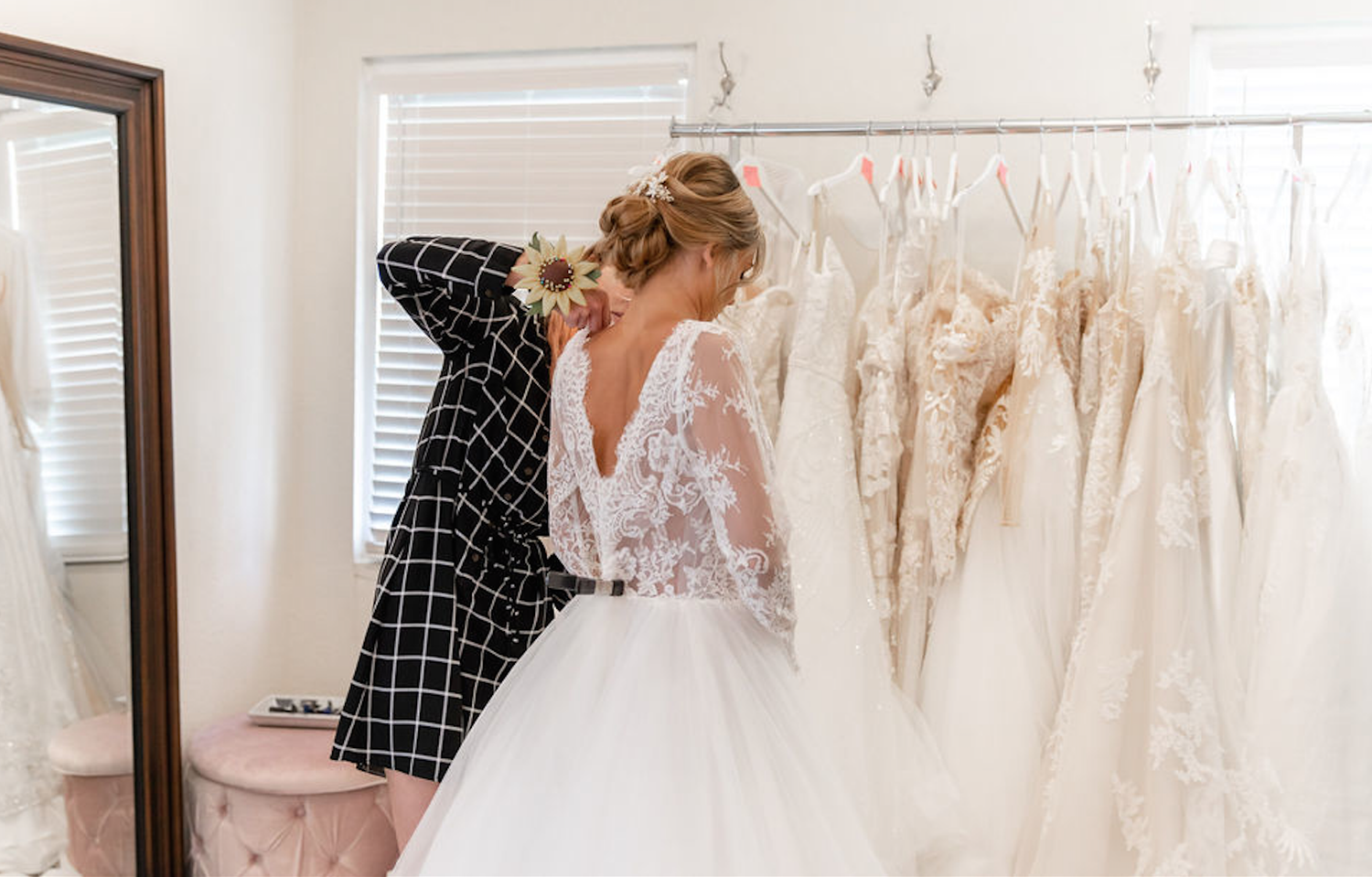
Fittings are the most critical phase of the custom creation journey. Typically, a custom dress requires between three and five fittings over the course of several weeks or months. Each session serves a specific purpose in refining the garment.
-
The Muslin Mockup: The first fitting often utilizes an inexpensive cotton fabric called muslin to test the pattern and basic fit on your body before cutting into expensive final textiles.
-
Structure and Adjustment: Subsequent fittings introduce the real fabric, allowing the designer to adjust seams, check balance lines, and ensure the internal boning or support structure fits securely.
-
Final Polish: The last fitting focuses on minor hem adjustments, closure placements, and ensuring absolute comfort so you can move, sit, and dance with ease.
Patience is essential during this stage. Bodies are dynamic, and achieving a flawless couture fit requires precise pinning and meticulous tailoring.
Maintaining Healthy Communication Boundaries
A custom dress collaboration is a creative partnership. Maintaining a healthy, transparent relationship with your designer ensures the process remains enjoyable for everyone involved.
Be clear about your preferences, but avoid micromanaging every single stitch. Remember that you hired this professional for their technical skill and artistic eye. If you feel hesitant about a design choice, articulate your concerns clearly rather than staying silent. Constructive dialogue allows the designer to pivot and find alternative solutions that satisfy your aesthetic desires while maintaining structural soundness.
Final Delivery and Garment Care
The moment you try on your finished dress is the culmination of weeks of planning, sketching, and tailoring. Once you confirm that every detail meets your expectations, the garment is ready for your special event.
Before taking the dress home, ask your designer for specific care instructions. Custom garments often feature delicate hand-stitched elements, specialized linings, or fragile embellishments that cannot withstand standard dry cleaning methods. Proper storage in a breathable garment bag away from direct sunlight will ensure your dream dress remains pristine for years to come.
Frequently Asked Questions
How far in advance should I contact a designer before my event?
You should reach out to a custom designer at least six to nine months before your event. Custom garments require extensive time for conceptualization, sketching, material sourcing, handcrafting, and multiple fitting sessions.
What happens if my weight changes during the design process?
Minor weight fluctuations are entirely normal and expected during a multi-month custom project. Designers account for this by building strategic seam allowances into the garment and scheduling fittings close to the event date to make necessary adjustments.
Can I bring my own fabric to the designer?
Some designers allow clients to supply their own fabrics, especially if it is a family heirloom or a unique textile find. However, you should always discuss this during your initial consultation because designers prefer working with materials they know and trust for structural reliability.
How are design changes handled after work has already started?
Major design changes requested after the construction phase has begun will usually incur additional labor fees and extend the production timeline. Minor tweaks to styling details can often be accommodated during early muslin or primary fittings.
What if I do not know what silhouette flatters my body type?
That is entirely normal and one of the primary reasons to work with a professional designer. An experienced designer will analyze your proportions and recommend silhouettes, necklines, and cuts that highlight your features and make you feel confident.
Is custom dressmaking more expensive than buying ready-to-wear?
While custom dresses can sometimes cost more than off-the-rack options due to the intense labor and personalized tailoring involved, they often offer comparable pricing to high-end luxury retail brands while providing a truly unique fit and flawless construction.